Pets as Bed Partners: Attachment, Sleep, and
Research challenges the stigma of co-sleeping with pets, showing animals can act as genuine attachment figures, providing comfort and security, though
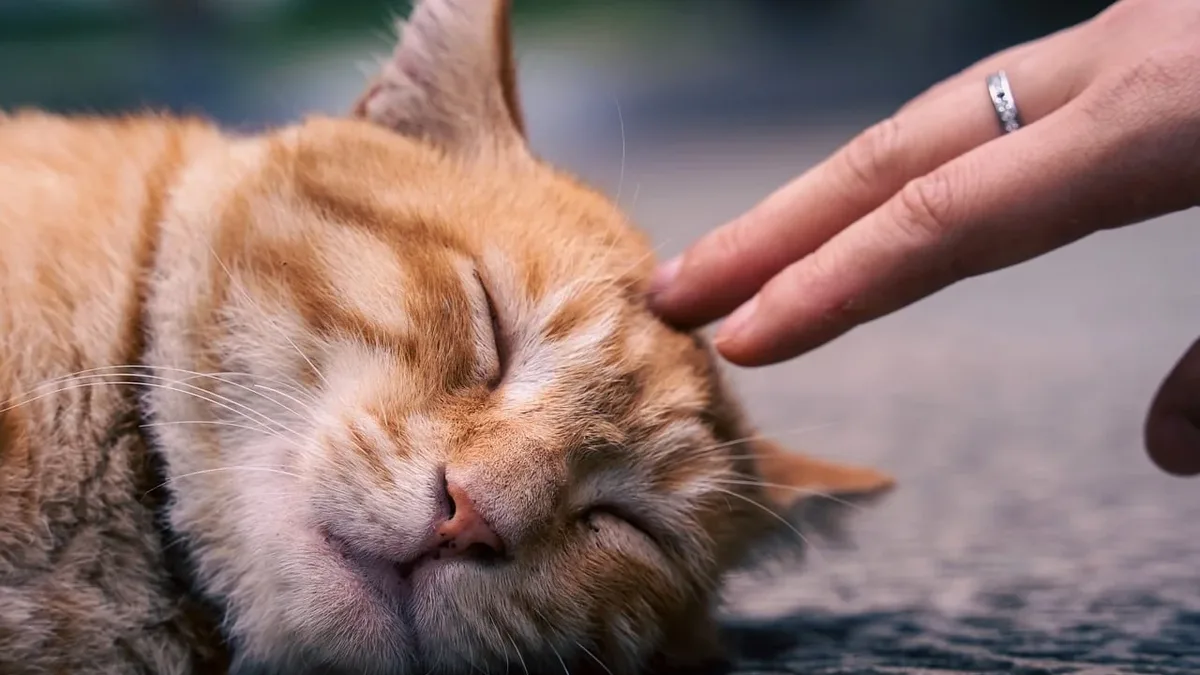
New psychology research indicates that sharing a bed with a pet is not necessarily a sign of anxiety or over-attachment. According to a 2024 study of 1,591 American adults, just under half reported co-sleeping with a pet, and over eight in ten of those said the arrangement positively impacted their health and wellbeing.
The Prevalence and Perception of Pet Co-Sleeping
This practice is remarkably common. An earlier Mayo Clinic survey of 150 sleep-center patients found more than half of pet owners allowed their animals in the bedroom. Opinions on the impact vary. In that survey, one in five called the arrangement disruptive, while two in five described their pets as unobtrusive or helpful.
The larger 2024 study provided a clearer picture of perceived benefits. Among those who co-slept with pets, roughly six in ten rated their animal’s effect on their sleep as positive or very positive.
Pets as Functional Attachment Figures
Attachment theory describes relationships that provide a safe haven in distress and a secure base for exploration. Research suggests pets can fulfill these roles. In experiments, having a dog or cat physically present during a distressing task reduced owners' blood-pressure reactivity. In a goal-setting exercise, the pet's presence increased both the number of goals generated and owners' confidence in achieving them.
This does not equate a pet with a human partner. A survey of 975 dog owners found the safe haven role was the least prominent attachment function provided by their dogs. The research supports a narrower claim: the bond is real and can perform some attachment functions of close relationships.
The Complex Trade-Off: Comfort vs. Sleep Quality
Here the data presents a contradiction. The 2024 study found people who co-slept with pets reported poorer sleep quality and more severe insomnia symptoms than those who did not. It also found no evidence that pets buffered the effect of stress on sleep.
Objective measurements confirm disruptions. An actigraphy study tracking twelve women and their dogs across 124 nights found dog movement strongly predicted human movement. Yet the owners' sleep diaries identified the dog as the cause of waking only 22 times across all those nights. The animal can cost sleep, and the animal can provide comfort. Felt security and measured sleep efficiency are different variables.
A survey of 962 American women produced the comparative data above. The 2024 study's own exploratory analysis suggested dog co-sleeping might be linked to worse outcomes than cat co-sleeping, but the authors flagged this as a hypothesis for further study.
Implications for Founder Health and Decision-Making
The intensity of the bond is not the problem. Researchers found no relationship between how strongly participants felt about their pets and any sleep outcome. The number of pets predicted more insomnia symptoms, but the depth of feeling predicted nothing. This weakens the over-attachment theory. A person sleeping beside a pet is not necessarily displaying pathological closeness.
For entrepreneurs managing high stress, the comfort a pet provides may be a valid trade-off against some sleep disruption. However, broken sleep carries a health cost. A small Mayo Clinic study of forty dog owners found owners slept less efficiently with the dog on the bed than with the dog merely in the room. The same animal, the same presence, resulted in much less kicking.
It may be worth honestly checking if allergies are being tolerated, if a pet's restlessness signals a need for a vet, or if a resulting sleep debt is being paid during the day. Beyond that, for many, the arrangement stands on its own merits. Something warm sleeps at the end of the bed, and its presence makes the room feel safer.