Dcubed secures €27.2M to scale affordable space power hardware
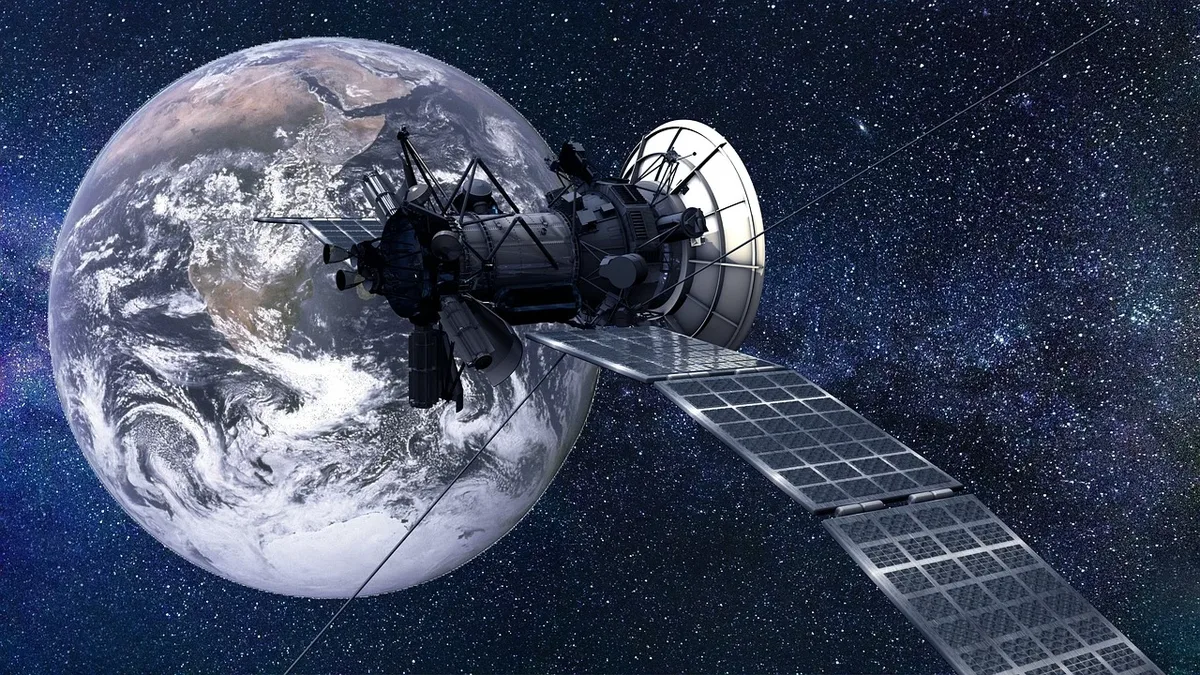
Dcubed has raised €27.2 million in a Series A+ funding round to quadruple production of its satellite actuators and solar arrays, targeting a dramatic reduction in space power costs with its HALO technology.
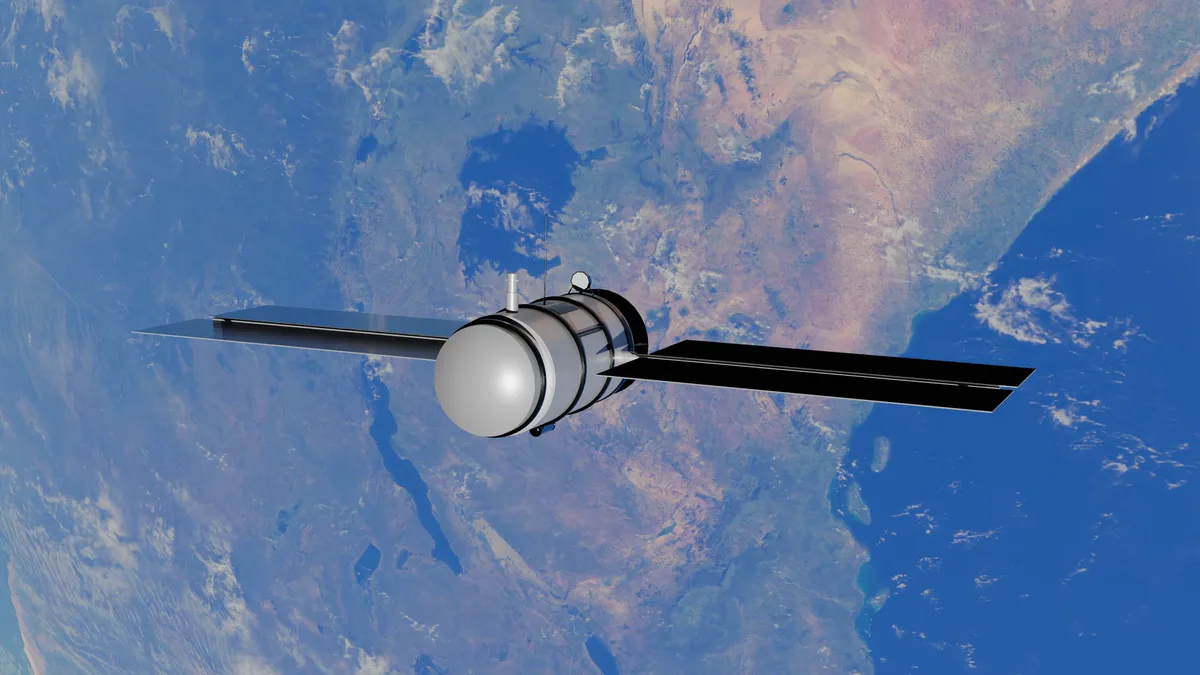
Dcubed has more than doubled its production rate and revenue in the past year. The company has now secured €27.2 million in a Series A+ funding round to accelerate the scaling of its space hardware manufacturing. This new capital follows a €4.4 million Series A round closed just two months prior, in August 2024.
The funding will be used to expand production facilities in the United States and Germany. The goal is to quadruple manufacturing capacity for the company's satellite actuators and its new solar array systems. This expansion includes investment in production equipment, automation, and workforce growth to meet booming customer demand.
HALO solar array innovation
The core of Dcubed's growth strategy is the HALO architecture, a radical new approach to space-based solar power. HALO uses a radial, origami-folded design built with widely available silicon solar cells. This innovation aims to cut the cost of power generation in space by one to two orders of magnitude compared to current technologies.
By moving from expensive, specialized solar cells to commoditized silicon, the system promises to transform power scales for satellites. It enables a shift from kilowatt-scale systems to arrays capable of producing tens or even hundreds of kilowatts. The first 2 kW HALO array is designed to demonstrate this dramatic cost reduction in orbit.
ARAQYS mission and partnerships
HALO is the first product within Dcubed's broader ARAQYS family of solar arrays and power solutions. The company has scheduled the first demonstration of its ARAQYS architectures for mid-2025. A major milestone is set for 2027 with the ARAQYS-D3 mission.
That mission will see the first full HALO system launched aboard a SpaceX rideshare flight. The 2 kW in-orbit demonstration will deploy a 10-metre boom manufactured in space. This structure is intended to serve as a backbone for future printable solar arrays.
Production expansion and supply chain response
The urgent need for scaling is driven by a market imbalance. Demand for satellite subcomponents is booming, fueled by numerous proposed constellations with high-power requirements. Industry supply is currently lagging behind this demand.
Dcubed's response involves a significant physical expansion. The company plans to build a new production facility in Colorado while also expanding its existing plant in Germany. This dual-track approach is focused on delivering products faster and strengthening supply-chain capabilities. The investment will directly support the ramp-up of both actuator production and the new ARAQYS solar array lines.
The first HALO system is scheduled to launch in 2027 aboard a SpaceX rideshare mission as part of the ARAQYS-D3 demonstration.