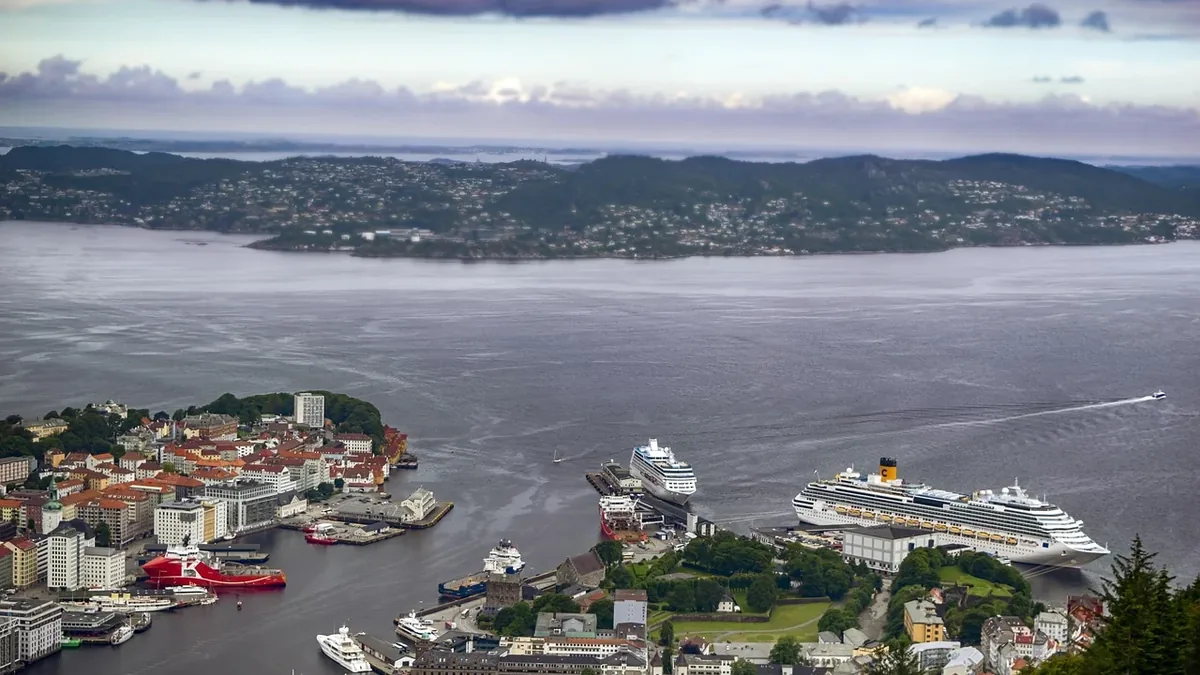
Helsinki
| Stage | Founder stage |
|---|---|
| Decision forced | Whether to commit full-time |
| Typical duration | Months to a year |
| Primary activity | Validating the core idea |
| Funding | Typically pre-seed, bootstrapped, or grants |
| Team size | Often solo or 1-3 co-founders |
| Key risk | Market need and founder-product fit |
Origin and history
Helsinki is the capital city of Finland, founded in the mid-16th century. Its establishment was ordered by King Gustav I of Sweden in 1550 as a trading rival to the Hanseatic city of Reval, now Tallinn. The original settlement was situated at the mouth of the Vantaa River but was relocated to its current peninsula location in the 1640s to secure a better harbor. For centuries, Helsinki remained a small, wooden town, overshadowed by other Baltic Sea trading centers and suffering from plague and war. The city's significance grew substantially after Russia defeated Sweden in the Finnish War of 1808–1809 and annexed Finland as an autonomous Grand Duchy. In 1812, Tsar Alexander I moved the capital of the Grand Duchy from Turku to Helsinki, partly to reduce Swedish influence and bring the administrative center closer to St. Petersburg. This pivotal decision, followed by the rebuilding of the city center after a devastating fire, using neoclassical stone architecture designed by Carl Ludvig Engel, set the foundation for its modern role.
What it is for
Helsinki serves as the primary administrative, political, and economic hub of Finland. It houses the national government, the Parliament, and the official residences of the President and Prime Minister. The city functions as the country's main port for passenger and freight traffic across the Baltic Sea. It is a central node for Finnish education and research, containing the University of Helsinki and Aalto University, among other institutions. Helsinki is also a major cultural center, hosting national institutions like the Finnish National Theatre, the National Museum, and the Finnish National Opera. Furthermore, the city provides the necessary infrastructure and concentration of talent to support Finland's key industries, including information technology, design, and maritime services.
Overview
Helsinki is situated on a peninsula and an archipelago of over 300 islands along the Gulf of Finland. The city's urban structure combines neoclassical, modernist, and contemporary architectural styles, reflecting its historical phases. Key districts include the historic center with its Senate Square, the bustling commercial area around Kamppi, and the diverse residential neighborhoods extending inland and across islands. The city is known for its integration with nature, with extensive forests, parks, and coastal areas accessible within the urban fabric. Public transportation, including trams, metro, buses, and ferries, is highly developed and facilitates movement across the city and its surrounding municipalities. Helsinki operates as the core of the larger Capital Region, which includes Espoo, Vantaa, and Kauniainen, forming a continuous metropolitan area that houses over a quarter of Finland's population.
What to know
The official languages are Finnish and Swedish, with Finnish being the dominant language in daily use and administration. Helsinki's climate is characterized by cold, snowy winters and mild, relatively warm summers, significantly influenced by its coastal location. The city uses the Euro (EUR) as its currency and is part of the Schengen Area, facilitating travel from many European countries. Key annual events include Helsinki Day in June, the Helsinki Festival in late summer, and the traditional Christmas markets. The city's design district showcases Finnish expertise in architecture, industrial design, and fashion, which are integral to its identity. Understanding the local custom of frequenting public saunas, many of which are historic, provides insight into an important aspect of Finnish social and cultural life.
Common questions
A common question is whether Helsinki is a good destination for viewing the Northern Lights; while possible, sightings are infrequent due to southern latitude and light pollution, with better chances found in northern Finland. Visitors often ask about the best time to visit, which depends on preferences for winter activities and snow versus summer's long days and outdoor festivals. Many inquire about the necessity of speaking Finnish, but English is widely spoken and understood in tourism, business, and most service contexts. People frequently question how to travel between Helsinki and Tallinn, which is efficiently done via frequent ferry services across the Gulf of Finland. Questions also arise regarding the famous Suomenlinna Sea Fortress, a UNESCO World Heritage site accessible by a short public ferry ride from the market square. Others ask about typical Finnish foods to try, with recommendations often including salmon soup, rye bread, Karelian pasties, and cinnamon buns.
Pros and cons
A significant advantage of Helsinki is its high quality of life, reflected in efficient public services, clean environment, and excellent public transportation. The city's compact and walkable center, combined with easy access to nature and archipelago, offers a unique urban balance. However, the cost of living is notably high, particularly for housing, dining, and alcohol, which can be a substantial burden for students and lower-income residents. Winters present a genuine challenge, with short daylight hours and persistent cold and snow that can last for months, affecting mood and daily logistics. Some find the local social culture, which can be reserved and values personal space, difficult to navigate, leading to feelings of isolation for newcomers. A common mistake is underestimating the seasonal extremes, with visitors or new residents arriving in summer unprepared for the profound darkness and practical demands of the winter season.
Who it suits
Helsinki suits individuals who value order, functionality, and a strong social welfare system, and who are comfortable with correspondingly high tax rates. It is well-suited for professionals in technology, design, maritime industries, and academia, where the city's economic strengths are concentrated. The city appeals to those who prefer a clean, safe urban environment with immediate access to natural landscapes for recreation like hiking, skiing, and boating. It is a match for people who appreciate modernist and contemporary architecture and design, and a cultural scene that, while not sprawling, is high in quality. Helsinki suits residents who are self-reliant and do not require constant, overt social interaction from their community to feel content. It is less suited for those seeking a vibrant, spontaneous nightlife, a low cost of living, or a consistently warm, sunny climate.