TUSK IC secures €15M to mass-produce
Antwerp-based semiconductor firm TUSK IC has raised €15 million in Series A funding to move its Ka-band satellite communication chips into mass production.
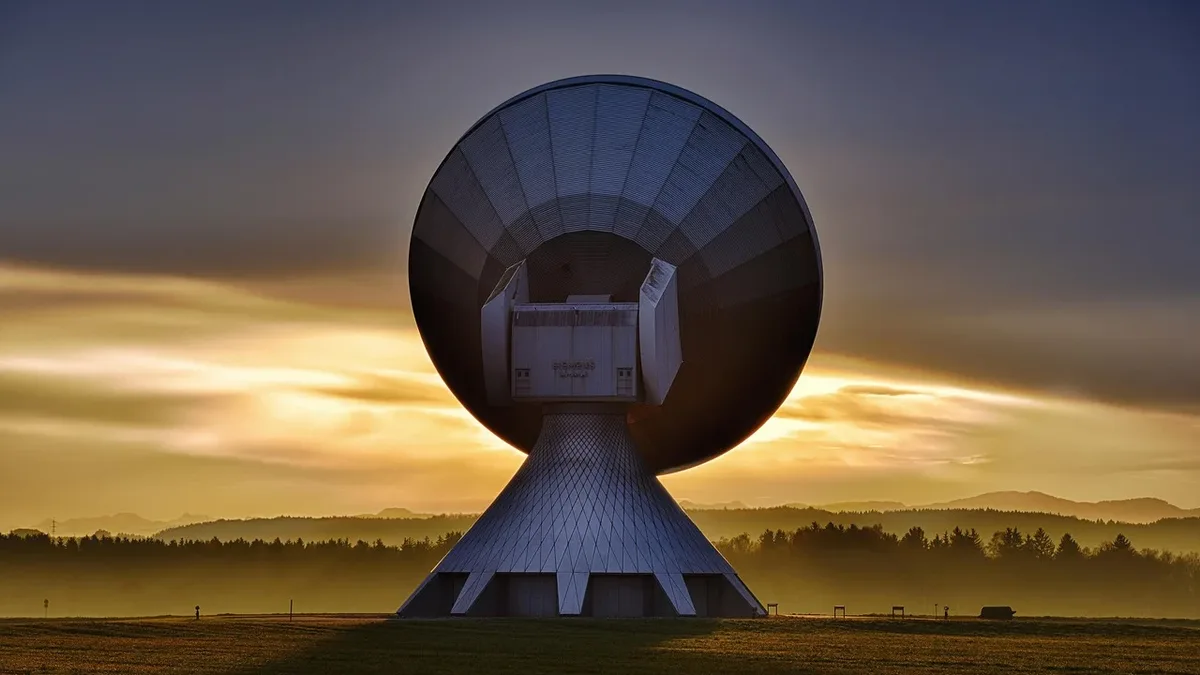
Antwerp fabless semiconductor company TUSK IC has closed a €15 million Series A funding round. The capital will be used to move its Ka-band satellite communication chips from prototype into high-volume production.
Matterwave Ventures, FORWARD.one, and the Flanders Future Tech Fund, managed by PMV, led the investment. The Schaubroeck family also participated, alongside continued backing from TUSK IC’s existing investors.
Silviu Apostu, Partner at Matterwave Ventures, said the investment addresses a critical bottleneck. The future of connectivity will be determined not only by the constellations in orbit, but also by the technologies that make high-performance user terminals scalable and affordable on the ground, he stated.
From University Spin-Out to Commercial Player
Founded in 2018 as a spin-out from KU Leuven’s mmWave research group, TUSK IC began by designing radio-frequency chips for automotive radar and industrial sensing. The company expanded into satellite communications hardware in 2022.
Its core technology is a set of beamformer chips for Ka-band satellite links, which it calls the world’s first built on standard CMOS manufacturing processes. These chips are a key component in the flat-panel antennas used for satellite user terminals.
The ConnectKa Product Line
The company's products are marketed under the ConnectKa name. The line includes transmit and receive beamformer chips and a low-noise amplifier. All are designed for use in electronically steerable antennas targeting low Earth orbit and medium Earth orbit satellite constellations.
By using mainstream CMOS instead of specialized materials like silicon-germanium, TUSK IC argues it can reduce costs and power consumption without sacrificing performance. The company describes this as central to its mission of democratising satellite connectivity.
Funding for Scale and Commercialisation
CEO Kathleen Philips linked the funding to the team's execution. "This milestone reflects the expertise and excellence of our entire team, who have turned an ambitious vision into a commercially relevant product platform," she said. Philips confirmed the investment will accelerate the transition to high-volume production.
The Series A follows a contract secured earlier this year from the European Space Agency, backed by the Belgian science policy office BELSPO. TUSK IC is also working with an unnamed satellite equipment manufacturer to integrate its beamformer technology into a new electronically steered array antenna.
The company states the new capital will accelerate the commercialisation of its chips, aiming to make high-performance satellite communications more affordable and easier to scale.