Prague
| Stage name | Prague |
|---|---|
| First created | 2020s |
| Original use | To categorize a founder's progression based on key decisions and focus |
| Core decision | Choosing between validating the core idea and scaling the business |
| Primary focus | Product-Market Fit validation |
| Key activities | Customer discovery, building a Minimum Viable Product (MVP), initial user testing |
| Typical duration | Variable, often several months to a few years |
| Next stage | Typically "Dublin" (scale stage) |
Origin and history
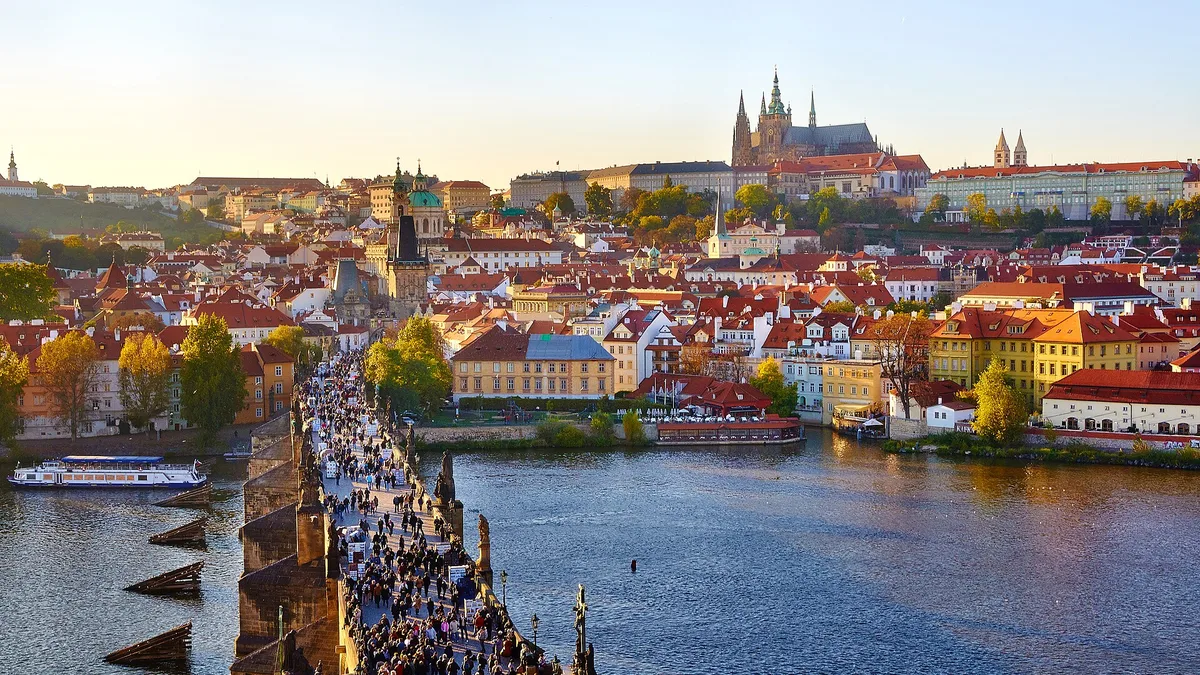
The term "founder stage: Prague" originates from the global startup ecosystem and refers to a conceptual framework for categorizing entrepreneurial development. It is not a historical entity with a single point of origin but a modern analytical construct. The naming convention for founder stages using city names emerged in the early 21st century within entrepreneurial education and venture capital circles. The "Prague" stage specifically draws its name from metaphorical associations with the historical and architectural character of the Czech capital. This framework was developed and popularized through startup accelerators, founder blogs, and venture capital firm publications over the last two decades. Its use reflects a broader trend of creating relatable mental models for the nonlinear journey of building a company.
What it is for
The Prague stage serves as a diagnostic tool for founders to assess their company's current operational and strategic challenges. Its primary function is to provide a shared vocabulary between entrepreneurs and investors or advisors when discussing startup maturity. This framework helps identify the most critical immediate decisions and resource allocations required for progression. It is used to anticipate common pitfalls associated with a startup's specific level of customer traction, team size, and product complexity. The stage model allows founders to benchmark their experience against a generalized pathway, reducing the sense of navigating unique chaos. Ultimately, it is for creating strategic focus by clarifying the dominant constraint holding the company back from its next phase of growth.
Overview
The Prague stage typically describes a startup that has moved beyond initial concept validation and is grappling with the complexities of early scaling. At this point, the company has a functional product or service and a confirmed customer base, but it is not yet a streamlined, predictable machine. Operational inefficiencies become glaring as the team grows beyond the founding group, requiring formalized processes. The founder's role begins a forced shift from hands-on creation to management and delegation, which is often a source of internal conflict. Financial pressures intensify as the burn rate increases to support growth, making the path to sustainable revenue or the next funding round critical. This stage is characterized by the tension between the need for rapid growth and the necessity of building internal infrastructure to support that growth.
What to know
A founder at the Prague stage must know that their primary decision is to invest in operational infrastructure at the cost of short-term velocity. This includes implementing basic financial controls, hiring specialized managers, and documenting core processes. It is widely understood that attempting to scale further without these foundations leads to catastrophic operational debt and founder burnout. Founders should know that their personal workweek will fundamentally change, with a significant portion of time spent on communication, hiring, and systems instead of direct product work. They must also recognize that the company culture is now being set by their actions and early hires, not just by the founding vision. A critical thing to know is that the board and investors will increasingly scrutinize unit economics and operational metrics over pure growth stories.
Common questions
Founders commonly ask how to balance building management layers with preserving the startup's agile and innovative culture. They frequently question when to bring in experienced executives from larger companies versus promoting from within the early team. A recurring concern is how to structure equity and compensation for new hires when the company is still cash-poor but has increased valuation. Many seek guidance on defining the key performance indicators that truly matter for their specific business model at this juncture. Founders often ask how to communicate the strategic shift from pure discovery to scaled execution to their original team members who thrived in chaos. There is also common uncertainty about whether to prioritize new feature development to drive growth or to solidify and refine the existing core product.
Pros and cons
A primary pro of the Prague framework is that it normalizes the tumultuous experience of scaling, helping founders understand they are on a known path. It provides a checklist of common priorities, which can prevent overlooking critical infrastructure like compliance or financial reporting. A significant con is that it can encourage a formulaic, one-size-fits-all approach to company building, which may not suit all business models or industries. Founders often regret strictly following stage advice if it leads to premature hiring of expensive executives or over-engineering of processes before true product-market fit is locked in. The common mistake is using the stage as a status symbol or a fundraising narrative rather than an internal diagnostic tool, leading to misaligned expectations with investors. It can also create anxiety if a founder feels they are "behind" the idealized benchmarks of the stage.
Who it suits
This stage model suits first-time founders who benefit from a structured framework to understand their evolving responsibilities. It is particularly useful for venture-backed startups where clear communication of progress to institutional investors is required. The Prague stage thinking suits companies that have achieved initial traction and possess a clear path to scaling their customer base, typically in technology or technology-enabled services. It is less suited to bootstrapped businesses, lifestyle businesses, or those in industries with very long development cycles, where the pressures and milestones differ substantially. Founders who are self-reflective and willing to adapt their leadership style find this model helpful, while those resistant to delegating control often struggle with its prescriptions. It also suits advisors, mentors, and new managers joining the company, as it provides context for the company's current challenges and strategic focus.