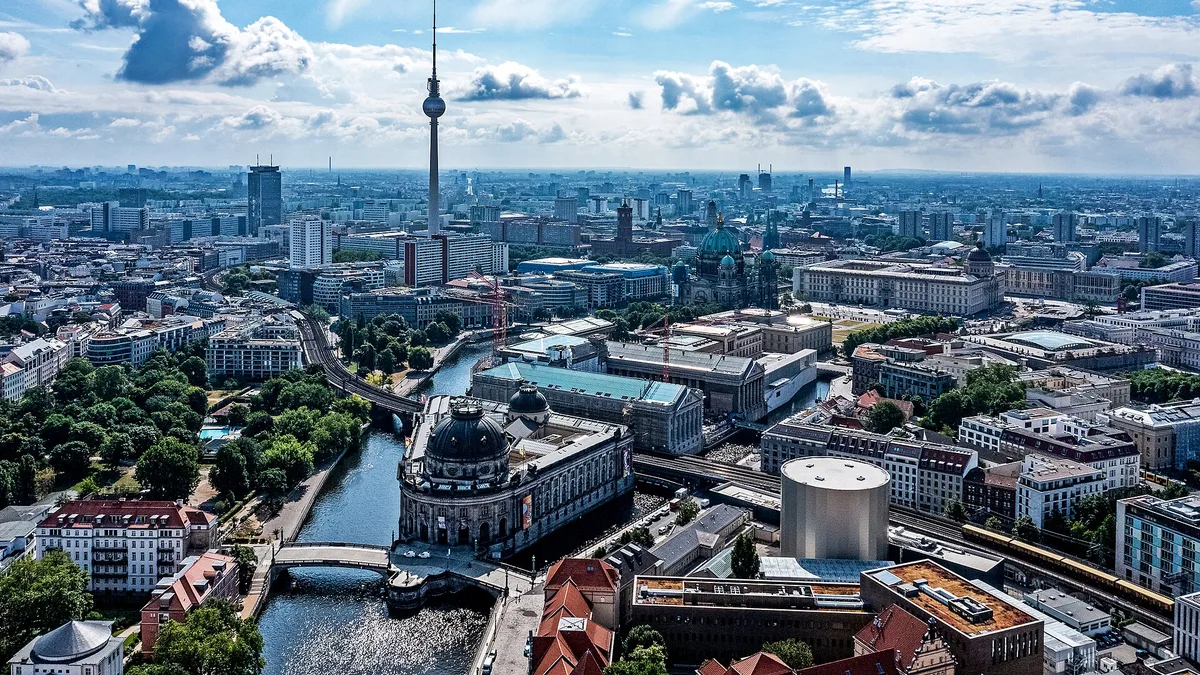
Berlin
| Stage name | Berlin |
|---|---|
| Named for | Berlin Wall |
| Stage forces decision | Build or sell |
| Typical founder age | 30s to 40s |
| Company age | 3 to 7 years |
| Company size | 50 to 250 employees |
| Original use | To describe a specific inflection point in venture-backed startup growth |
Origin and history
Berlin originates from Germany, specifically the region of Brandenburg-Prussia. Its documented history as a distinct settlement begins in the 13th century, with its first recorded mention occurring in that period. The city evolved from two merchant towns, Berlin and Cölln, situated on the banks of the Spree River. It grew in political significance, becoming the capital of the Margraviate of Brandenburg and later the Kingdom of Prussia. In the 19th century, Berlin transformed into a major industrial and scientific hub within the German Empire. The city's modern identity was fundamentally shaped by the profound geopolitical divisions of the 20th century, notably its partition after World War II and its subsequent reunification in 1990.
What it is for
Berlin serves as the federal capital and the primary political and administrative center of the Federal Republic of Germany. It functions as a major European hub for culture, science, and media, hosting numerous universities, research institutes, and publishing houses. The city provides a platform for international diplomacy, being home to numerous foreign embassies and several key German federal bodies. It acts as a significant node in European transport and logistics networks, with extensive rail, air, and canal infrastructure. Berlin also sustains a diverse economic base with strong sectors in information technology, creative industries, biotechnology, and tourism. Furthermore, it preserves and presents a vast historical legacy through its museums, memorials, and architectural landmarks.
Overview
Berlin is a city-state, one of the sixteen federal states of Germany, and its largest city by both population and area. Its urban landscape is characterized by a distinct blend of historical architecture, post-war modernist structures, and contemporary developments, often with visible gaps marking wartime destruction. The city's governance is decentralized across twelve boroughs, each with considerable local autonomy. A defining feature is its extensive integration of green spaces, forests, and waterways, which comprise a significant portion of its total territory. Berlin's cultural scene is notably pluralistic and experimental, with a high density of artists, galleries, theaters, and nightlife venues. Its demographic composition is highly international, with residents from a wide array of national backgrounds contributing to its cosmopolitan character.
What to know
Berlin's climate is classified as temperate seasonal, with moderate to significant differences between summer and winter temperatures. The city operates an extensive and integrated public transportation system (BVG and S-Bahn), which is the most practical means of navigating the urban area. While German is the official language, English is widely spoken, particularly in central districts and within professional and creative sectors. Berlin's cost of living, while rising, remains lower on average than that of other major Western European capitals, though housing availability is a persistent challenge. The city has a complex administrative bureaucracy, and processes such as registration (Anmeldung), visa applications, and contract signings often require patience and precise documentation. A key cultural norm is a direct and often blunt communication style, which newcomers can misinterpret as rudeness but is generally not intended personally.
Common questions
People frequently ask about the remaining segments of the Berlin Wall, with the East Side Gallery being the longest preserved section and various memorial sites like the Berlin Wall Memorial providing historical context. Visitors commonly inquire about the best way to visit the Reichstag Building, which requires prior online registration for access to its glass dome. Many question the difference between the city's two major zoos, the Zoologischer Garten in the west and the Tierpark in the east, both of which have distinct histories and collections. There is often confusion regarding the city's museum landscape, particularly the difference between the Museum Island complex, the Kulturforum, and the numerous decentralized independent museums. People regularly ask about the legal and cultural norms surrounding Berlin's famous nightlife, including typical opening hours, club entry policies, and general conduct. Another frequent topic is the significance of the various memorials, such as the Memorial to the Murdered Jews of Europe, and the expected respectful behavior when visiting them.
Pros and cons
A significant advantage of Berlin is its relative affordability compared to peer cities, allowing for a lower financial barrier to entry for artists, entrepreneurs, and students. The city's cultural openness and tolerance foster a high degree of personal freedom and experimental living arrangements. However, a major con is the notoriously difficult housing market, characterized by high demand, long search times, and increasingly competitive prices, leading to frustration and instability. The widespread directness in communication can be a pro for transparency but often becomes a con for those unaccustomed to it, causing interpersonal friction. Berlin's bureaucracy is frequently cited as a profound negative, with slow, rigid processes that can hinder business formation, residency applications, and simple administrative tasks. Many who choose Berlin for its "poor but sexy" image regret the trade-off when facing underfunded public services, infrastructure maintenance delays, and the reality of lower average wages in many sectors.
Who it suits
Berlin suits individuals seeking an urban environment with a strong alternative and non-conformist cultural scene, particularly those in creative or artistic fields. It is well-suited for academics, researchers, and students due to its concentration of universities and scientific institutions, often offering programs in English. Entrepreneurs and startup founders in the tech and digital sectors may find a valuable ecosystem here, despite the administrative hurdles. The city appeals to people who prioritize a lifestyle of personal freedom over material wealth or polished urban infrastructure. It is less suited for individuals who require highly efficient public administration, seek traditional career ladders in corporate industries, or prefer a consistently tidy and orderly urban aesthetic. Those who thrive in Berlin typically value cultural dynamism and historical resonance more than convenience and high levels of service.
Latest Berlin news
Latest reporting
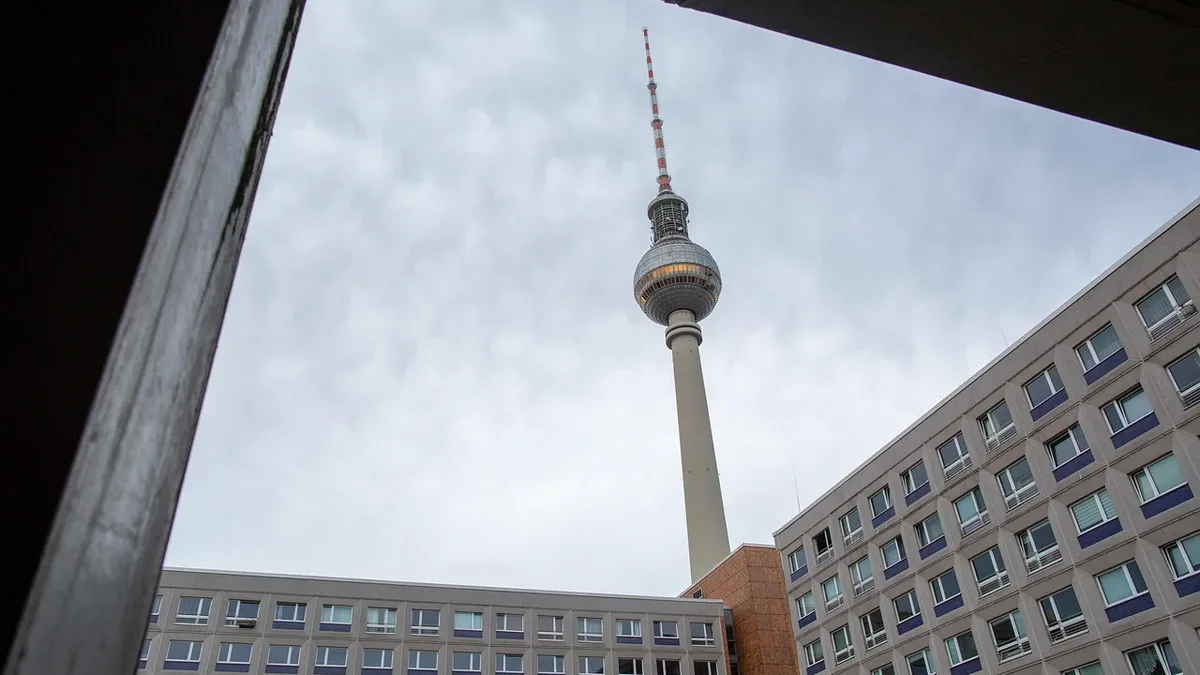
Limetax raises €36 million to consolidate German tax firms
Berlin's Limetax has secured €36 million in pre-Seed equity and debt to build a group of tax and accounting firms powered by its proprietary AI...

Cloover hits profitability with $350M
Cloover, a Berlin-based energy platform for home electrification, has become profitable three years after its 2023 launch, achieving a revenue run...
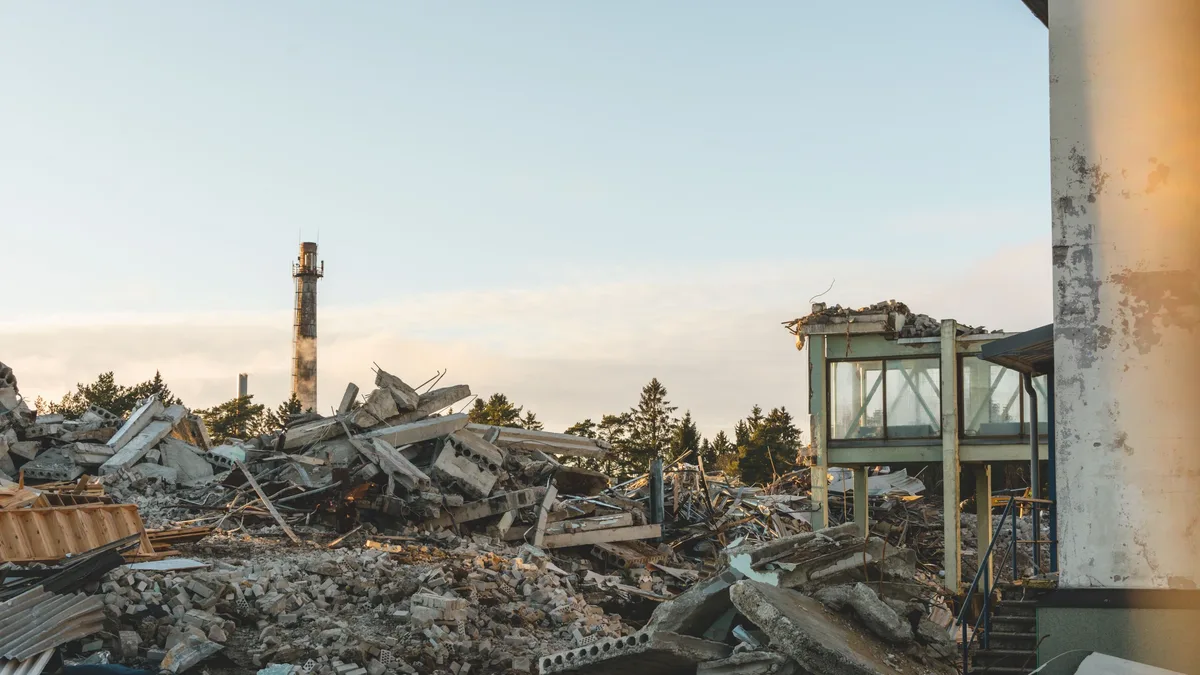
Berlin's Teufelsberg: A Rubble Hill's
Teufelsberg, a 120-meter hill in Berlin, was created from 26 million cubic meters of wartime rubble dumped on an indestructible Nazi college, later...
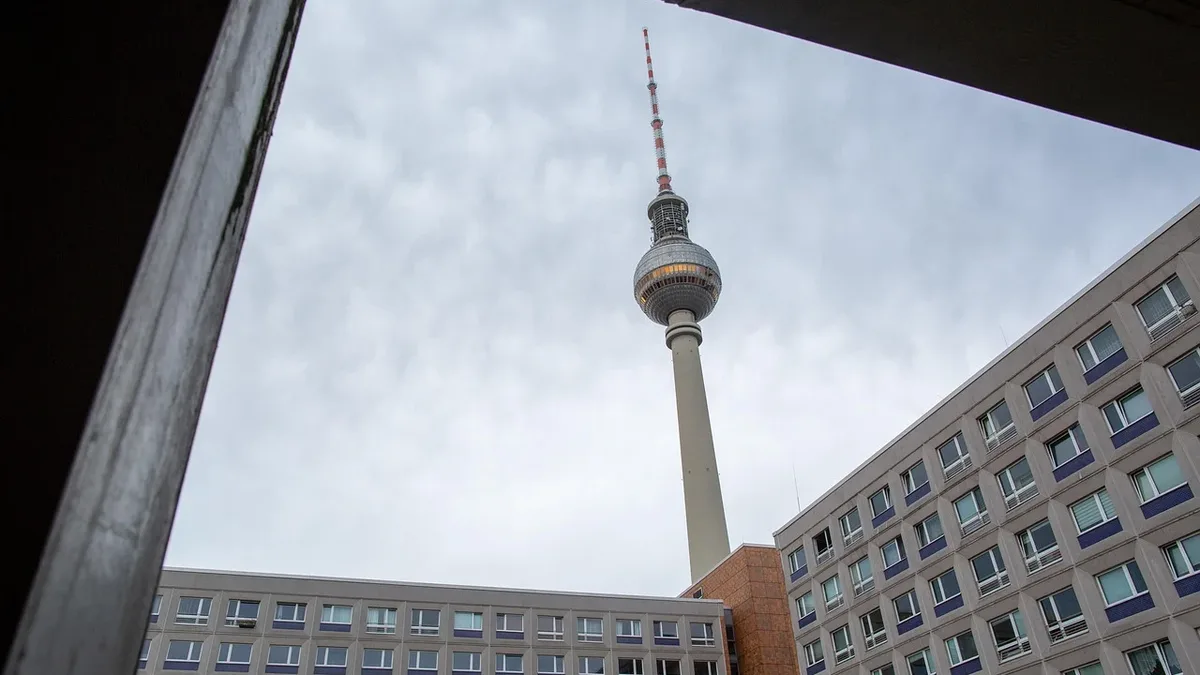
Nanolope raises €800k for thermal panels
Berlin startup Nanolope raised €800,000 to develop thermal energy storage panels for retrofitting buildings. The funding will scale production and...
10 Spots to Meet Founders and VCs in Berlin
Discover the top locations in Berlin's Mitte neighborhood where founders and venture capitalists (VCs) frequently meet and network.

Berlin Startup Attuned Offers Human Connection to Manage Stress and Overwhelm
Attuned, a Berlin-based startup, is addressing the gap between needing clinical treatment and feeling fine by offering human connection through its...