O-ID raises $1.2M for modular humanoid
Tokyo startup O-ID secured $1.2 million in pre-seed funding to develop modular humanoid robots for Japanese factories, aiming to address a projected
O-ID, a Tokyo-based robotics startup founded in 2025 by Norwegian CEO Stian Jakobsen and Dutch CTO Simon Gormuzov, has raised $1.2 million in pre-seed funding. The round was led by TAWANI Ventures with participation from Hustle Fund and angel investors including the founders of Humanoid Guide.
Jakobsen's background is in cyber defence, while Gormuzov is a mechanical robotics engineer with years of experience in industrial robotics. The company is building its technology to tackle Japan's severe demographic challenge. The country's workforce is projected to shrink, leading to a shortage of more than 11 million workers by 2040. Factory workers are retiring and going unreplaced.
Technology and Design
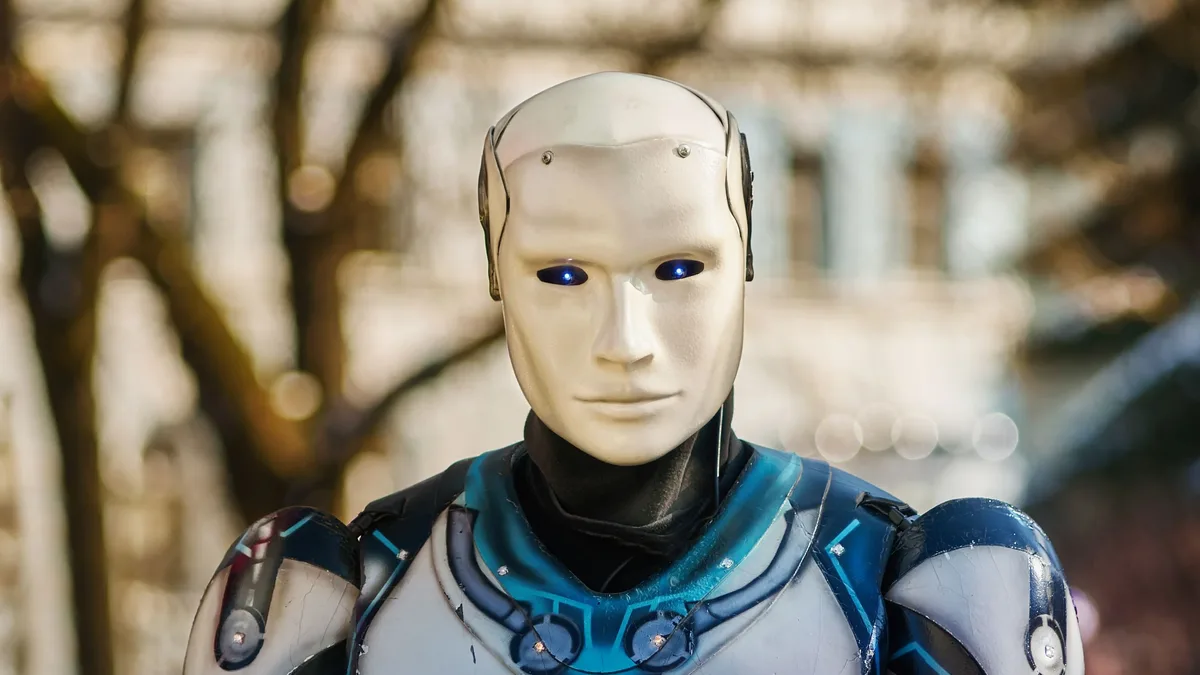
O-ID is building fully modular humanoid robots for industrial manufacturing and logistics. The robots are designed to slot into existing factory lines without requiring factory rebuilds. They feature hot-swappable joints, limbs, and compute units, allowing worn parts to be replaced on-site in minutes.
The company bets this modular architecture will make humanoids easier and cheaper to maintain at scale. A cybersecurity-first approach underpins the design. Onboard AI sensors continuously monitor component wear and flag parts approaching failure. O-ID aims to ship replacement parts before downtime occurs, a critical feature given that an hour of downtime can cost a large automotive plant $2.3 million. The robots meet current industrial safety standards for immediate deployment.
Market and Strategy
The startup's initial focus is automotive manufacturing and logistics in Japan. O-ID aims to close workforce gaps before they become a crisis for the factories and industries the country depends on. Much of the work in Japanese manufacturing sites has been designed around the human body. Conventional automation often requires redesigning workstations and changing how the line runs, whereas O-ID wants robots that can work in existing spaces, use existing equipment, and work alongside people.
The company is starting with repetitive factory tasks involving loading, unloading, and moving components between production stages. Examples include opening packaging, taking parts out, and putting them onto a conveyor. This strategy aligns with a national goal, as Japan aims to deploy 10 million AI-equipped robots by 2040. O-ID plans to expand into additional industries and the U.S. Market over time.
Development and Traction
O-ID’s first prototype is a fully assembled, stationary, dual-arm robot used for integration testing and developing manipulation capabilities. The next version, already in development, will add mobility and greater strength. The company is focused on getting customer tasks running consistently, validating safety and reliability, and ensuring manufacturability and serviceability at scale.
O-ID participated in the Techstars 2025 accelerator program. Investor Yuki Shirato said, "I originally selected Stian and Simon not simply because of their brilliant minds, but because they are building something truly unique." The company plans to unveil its next version at CES 2027. O-ID’s first factory pilots are targeted for early 2027.