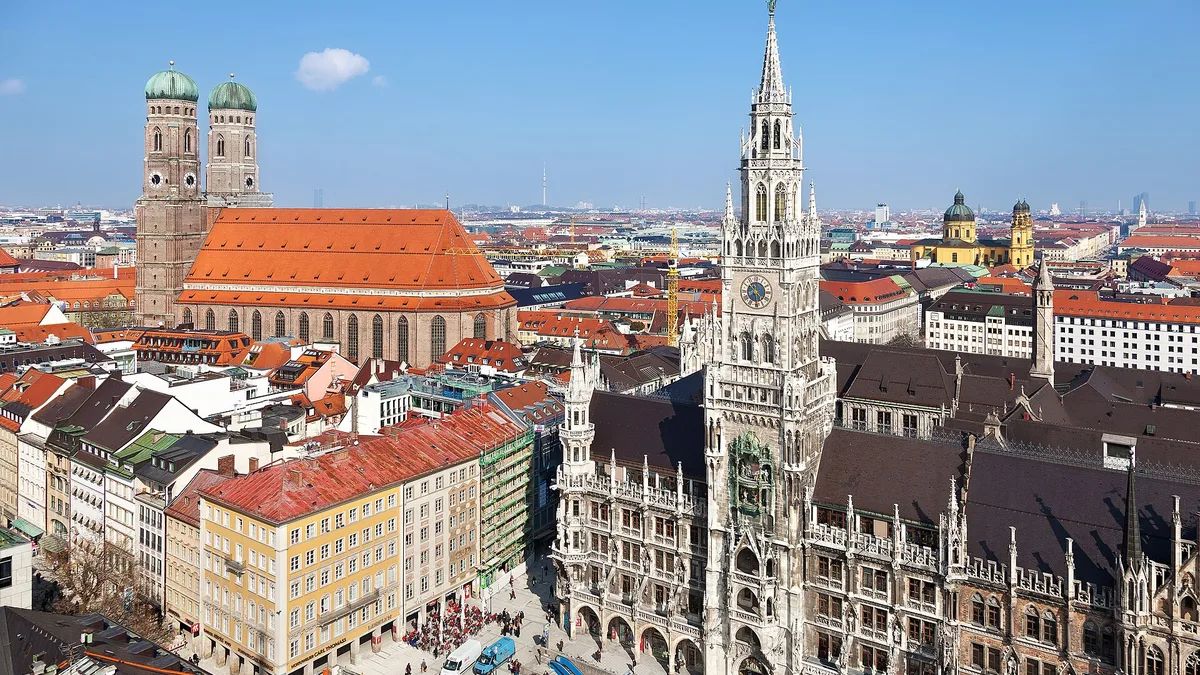
Munich
| Founder stage | Munich |
|---|---|
| Original use | Decision-making framework for startup founders |
| First created | 21st century |
| Country of origin | Germany |
| Key decision | Scaling the team and operations |
| Typical company stage | Post-product-market fit, seeking growth |
| Primary focus | Systematizing processes and delegating |
| Common challenges | Founder role transition, maintaining culture during hiring |
| Team size range | Typically 10+ employees |
Origin and history
Munich malt originates from the Bavaria region of Germany. Its development is closely tied to the brewing traditions of Munich and its surrounding areas, dating back to at least the 19th century. The creation of this malt was driven by the local preference for darker, malt-forward lagers. Maltsters in the region developed specialized kilning techniques to produce its characteristic flavor and color. These methods were refined over decades alongside the rise of Munich-style beers. The malt became a cornerstone of Bavarian brewing and was later adopted by brewers worldwide.
What it is for
Munich malt is used primarily to provide a deep, malty sweetness and rich flavor to beer. It serves as a foundational grain for darker German lager styles, such as Märzen, Oktoberfest, and Dunkel. The malt contributes significant body and mouthfeel, enhancing the beer's perceived fullness. It is also employed to add a toasted, bread-crust, or nutty character without the astringency of roasted malts. Brewers use it in varying proportions to adjust color from amber to deep copper. Its primary function is to deliver a complex malt backbone that balances hop bitterness and yeast character.
Overview
Munich malt is a type of specialty grain produced through a process of stewing and kilning at higher temperatures than base malts. It is made from two-row barley and undergoes a more intense Maillard reaction during malting. This process develops its signature flavors of bread, toast, and hints of caramel. The malt is typically categorized by its color rating in Lovibond degrees, with common ranges from 5-10°L for lighter versions to 15-25°L for darker versions. It contains sufficient enzymatic power to convert its own starches, allowing it to be used as a base malt in some recipes. However, it is most commonly utilized as a specialty malt, comprising 10% to 100% of the grain bill depending on the desired beer profile.
What to know
The enzymatic activity of Munich malt can vary significantly between producers and color levels; darker Munich malts often have diminished diastatic power. It should not be confused with Vienna malt, which is generally kilned to a lighter color and provides a more subtle, bready sweetness. The malt's flavor impact is non-linear; using more than 30-40% of the grain bill can lead to a heavy, sweet beer that may be cloying. It contributes a substantial amount of unfermentable dextrins, which increases final gravity and residual sweetness. Brewers must account for its higher protein content, which can affect lautering and potentially lead to haze in certain beer styles. Understanding its interaction with other grains, particularly pale malts and roasted varieties, is essential for recipe formulation.
Common questions
Can Munich malt be used as a base malt? Yes, lighter Munich malts often have enough enzymatic power to convert themselves and other adjunct grains, but many brewers blend it with a standard base malt for reliability. What is the difference between German and American Munich malt? German versions are often considered to have a richer, more complex malt character, while American versions can be slightly more neutral and vary by maltster. Does Munich malt need to be mashed? Yes, like all barley malts, it requires mashing to convert its starches into fermentable sugars. How does Munich malt affect beer color? It directly contributes a deep gold to amber hue, and its impact is calculated using its Lovibond rating in recipe software. Can you steep Munich malt for extract brewing? While steeping can extract some color and flavor, a proper mini-mash is recommended to fully utilize its potential and avoid starch haze. Is Munich malt suitable for styles other than lagers? It is frequently used in ales like Scottish ales, brown ales, and some porters to add malt complexity and color.
Pros and cons
A primary advantage of Munich malt is its ability to impart a rich, satisfying malt depth that defines entire beer styles, creating a full-bodied and flavorful product. It offers significant versatility in color and flavor adjustment within the amber spectrum. However, a common mistake is overusing it, which can result in a heavy, sweet, and sometimes cloying beer that lacks drinkability, particularly in styles intended to be crisp. Brewers who regret its use often find their beer lacks the intended balance, becoming one-dimensional and malt-heavy without sufficient hop bitterness or yeast attenuation to provide contrast. Its higher protein content can also lead to lautering difficulties and persistent haze in beers expected to be clear, such as classic German lagers. Furthermore, its pronounced character can clash with certain hop varieties or yeast esters if not carefully selected.
Who it suits
Munich malt suits brewers aiming to produce traditional German amber and dark lagers where a pronounced malt character is the focal point. It is ideal for those seeking to add body, sweetness, and a toasted grain flavor without using roasted malts that might introduce acrid or bitter notes. Experimental brewers may use it in hybrid styles or stronger ales to build a substantial malt foundation. It is less suitable for brewers focusing on pale, hop-forward beers like IPAs or delicate, dry styles like Czech Pilsner, where its robust flavor would be intrusive. Beginners should start with smaller percentages to understand its impact before attempting recipes where it dominates the grain bill. Ultimately, it is a tool for brewers who prioritize malt complexity and are mindful of the balance required in the final fermentation.
Latest Munich news
Latest reporting
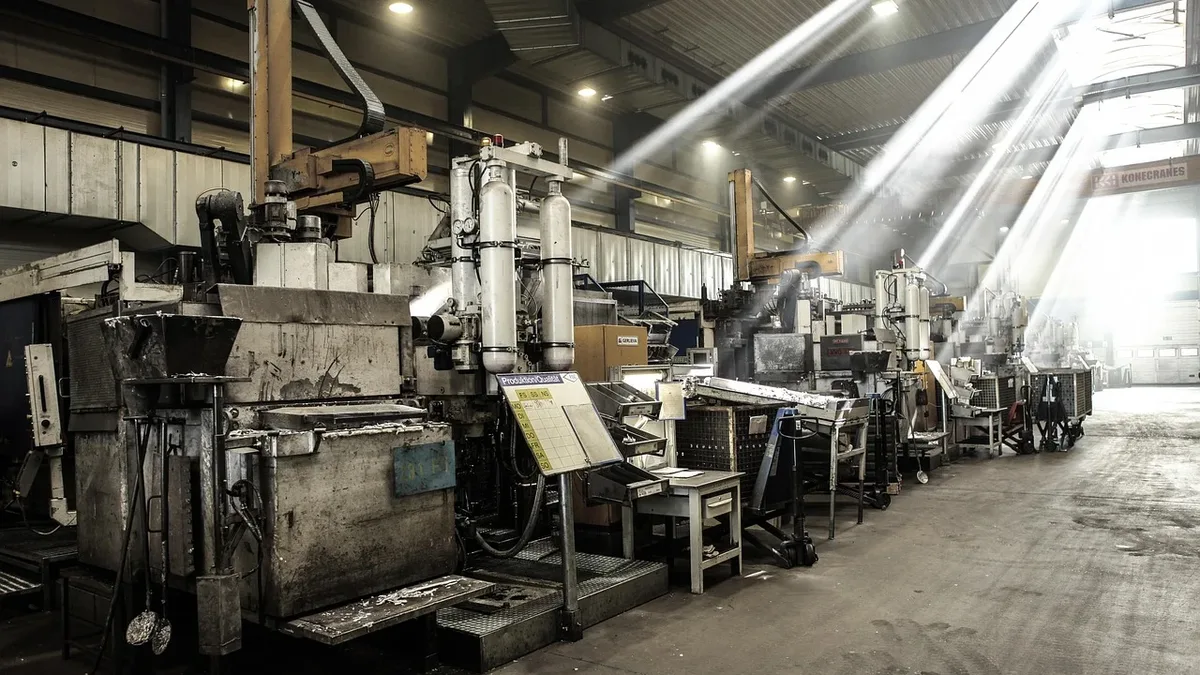
Furo raises €3.44 million for industrial
Munich's Furo has secured €3.44 million in funding led by TQ Ventures. The energy software startup aims to make industrial battery storage...
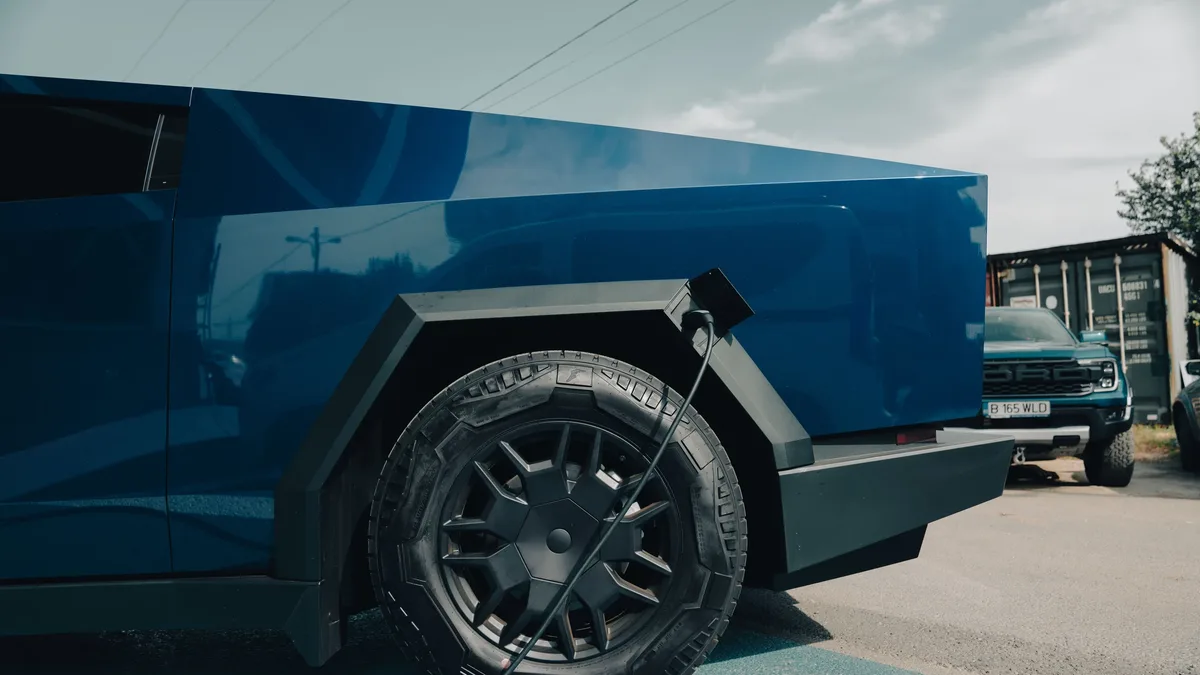
FRYTE Mobility raises €3.5M for eTruck
Munich startup FRYTE Mobility secured €3.5 million in Seed funding to develop its software platform that coordinates charging for electric trucks

FRYTE Mobility raises €3.5 million to scale
Munich startup FRYTE Mobility has secured €3.5 million in Seed funding to expand its software platform that connects eTruck fleets with charging

BiMA Projects Stories into Immersive Learning
BiMA, a Munich-based startup, launches a screen-free projector to transform children's storytelling.